
Dr. Murali Gopal
Senior Paediatrician & Paediatric Pulmonologist
MCR: 57489
MBBS, DCH(UK), MRCPCH(UK), FRCPCH(UK), CCT Paediatrics (UK),
Fellow in Paediatric Pulmonology (Aus), Allergology (Ind)
Last reviewed: 16 June 2026
What constipation means
Constipation does not only mean passing stool less often. In children, it can mean hard stools, painful stools, difficulty passing stool, or stooling less often than is comfortable for that child.
Stool frequency varies. Some children pass stool daily, while others pass stool less often and are still well. The key question is whether the stool is easy to pass, soft enough, and not causing pain, fear, tummy symptoms, or soiling.
Common triggers
Constipation often starts after a normal change in routine or diet. A painful stool can make a child hold back the next stool, which allows it to become harder and more painful. This can become a hard stool-pain-withholding cycle.
- Toilet training period, especially if the child is anxious or not developmentally ready.
- Starting solids, changes in milk intake, or changes in family food patterns.
- One painful stool leading to fear and stool withholding.
- Avoiding school toilets because of privacy, cleanliness, teasing, or lack of time.
- Low fibre intake, low fluid intake, or limited fruits and vegetables.
- Excess milk in some children, especially when it reduces appetite for fibre-rich foods.
Toilet training and withholding
A gentle, readiness-based approach usually works better than pressure. Some children need more time, more reassurance, or a pause in training while constipation is treated.
Symptoms parents may notice
- Hard stool, large stool, or stool that comes out as small hard lumps.
- Pain, crying, fear, or straining when passing stool.
- Tummy pain, bloating, reduced appetite, or feeling full quickly.
- Irritability, toilet avoidance, or hiding when the urge to stool comes.
- Stool withholding postures such as crossing legs, stiffening, tiptoe standing, rocking, or clenching.
- A small tear near the anus, called an anal fissure, which may cause pain or a streak of bright red blood.
- Soiling or stool marks in underwear, especially when constipation has been present for a while.
Soiling is not bad behaviour
Children who soil often feel embarrassed or worried. Calm support, a treatment plan, and follow-up are more helpful than scolding or punishment.
Home care that may help
- For toilet-trained children, offer regular toilet sitting after meals, especially after breakfast or dinner.
- Use a foot stool so the knees are supported and slightly higher than the hips. This can make stooling easier.
- Keep toilet sitting short and calm. Reading a small book or using quiet encouragement can help some children relax.
- Use positive reinforcement for sitting, trying, or telling an adult about stool urge. Do not punish accidents.
- Offer enough fluids through the day, guided by age, weather, activity, and doctor advice.
- Include fruits, vegetables, dals, whole grains, and other fibre-containing family foods in an age-appropriate way.
- Review excess milk intake with a doctor if appetite for other foods is low or constipation is persistent.
Best toilet posture for easier stool passage
A squatting posture, as used with an Indian-style toilet, can make stool passage easier for many children because the knees are higher than the hips and the child is in a more natural defecation position.
If your child uses a Western-style toilet, place a safe, stable foot stool under the feet so the knees are slightly higher than the hips. This can mimic a squatting posture and may help the child sit securely, relax the tummy and pelvic muscles, and avoid unnecessary straining.
Medicines and home remedies
Persistent constipation may need a planned course of treatment and follow-up by a doctor. Stopping treatment too early can allow stool to build up again, so follow the plan given for your child.
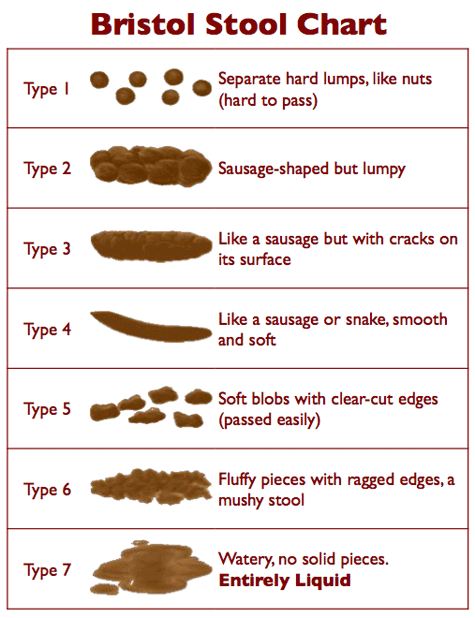
Stool type guide for parents
This parent-friendly stool type guide can help you describe stool consistency to the doctor. It does not diagnose the cause of constipation or diarrhoea by itself.
When to seek medical review
Seek medical review if constipation is persistent, painful, recurrent, or not improving with basic routine and diet measures. Review is also important when soiling or overflow is happening.
- A baby under 12 months has suspected constipation.
- Constipation is present from birth or your baby had delayed passage of meconium after birth.
- Constipation is not improving despite basic measures.
- There is recurrent soiling, stool leakage, or overflow.
- Your child has repeated painful stools, fissures, or fear of passing stool.
- You feel stuck in a cycle of withholding, pain, and hard stool.
Red flags / when to seek urgent care
- Persistent vomiting, green vomit, or vomiting with a swollen tummy.
- Abdominal distension, severe abdominal pain, or a hard painful abdomen.
- Blood in stool that is not clearly from a small fissure.
- Poor feeding, poor weight gain, weight loss, fever, or a very unwell child.
- Weakness in the legs, abnormal walking, new bladder problems, or loss of usual strength.
- Abnormal back or spine signs such as a deep dimple, tuft of hair, swelling, or unusual birthmark over the lower spine.
- Constipation from birth, delayed passage of meconium, or a baby who is not thriving.
- Your child is worsening quickly or you feel something is seriously wrong.
Medical disclaimer
References
- RCH Kids Health Info. Constipation. Includes guidance on correct equipment and foot stool support for an adult-sized toilet. Accessed 20 May 2026.
- National Institute for Health and Care Excellence. Constipation in children and young people: diagnosis and management, CG99. Accessed 20 May 2026.
- American Academy of Pediatrics, HealthyChildren.org. Constipation parent guidance. Includes parent guidance on stool withholding and toilet training pressure. Accessed 20 May 2026.
- Raising Children Network. Constipation parent guidance. Accessed 20 May 2026.
Last reviewed: 16 June 2026.
© Dr. Murali Gopal | For Patient Education Only This educational material is intended for parent and patient education. Reproduction, redistribution, or modification without permission is not allowed.
Medical review

Scan to open the latest online version